The first time I smoked cream cheese, I was convinced I had found the easiest appetizer in barbecue. Score the top. Add some rub. Put it in the smoker. Wait. That’s what every recipe seemed to say.
A couple of hours later, I lifted the lid and immediately knew something had gone wrong. The smoke smelled great, but the block had slumped sideways into a glossy pool of oil. The crosshatch I spent time cutting had almost disappeared.
In this guide, I’ll show you exactly how I make smoked cream cheese, including the temperatures I use, the woods I prefer, how I judge doneness, when toppings should be added, and how to avoid the mistakes that ruin texture.
You’ll also find a wood pairing matrix, troubleshooting guide, leftover ideas, and several flavor variations that go far beyond the standard BBQ-rub approach.
Why Smoked Cream Cheese Became a BBQ Favorite:
Smoked cream cheese became popular for a simple reason: It gives you a lot of payoff for very little effort.
Most barbecue recipes ask for some combination of trimming, wrapping, spritzing, rotating, probing, or managing an overnight cook. Smoked cream cheese asks you to score a block, season it, and put it in the smoker.
That’s about it.
The smoker does the rest.
What surprises most first-time cooks is how much flavor a simple block of cream cheese can absorb. The high fat content acts almost like a sponge for smoke. As the exterior softens, the surface develops color, the seasoning settles into the crosshatch cuts, and the entire block takes on a deeper barbecue character without losing the creamy texture that makes cream cheese appealing in the first place.
It’s also one of the few smoker recipes that works equally well for almost any gathering.
Ingredients & Equipment: What Actually Matters
Let’s start with the ingredient that determines whether the entire cook succeeds.
Why Full-Fat Brick Cream Cheese Is Non-Negotiable
If you ignore every other recommendation in this guide, don’t ignore this one. Use full-fat brick cream cheese.
Not whipped cream cheese.
Not reduced-fat cream cheese.
Not cream cheese spread from a tub.
Full-fat brick cream cheese is what makes this recipe work because it holds its shape and absorbs smoke better than the alternatives. The reason comes down to fat.
Smoke sticks to fat. That’s one of the reasons brisket develops such a deep smoke character and why fatty fish take smoke so well. Cream cheese behaves similarly. The higher fat content gives smoke particles something to attach themselves to during the cook.
Reduced-fat versions contain more water and less fat. Under heat, that extra moisture can separate from the dairy structure, causing the block to soften too quickly, leak liquid, or collapse entirely before good smoke flavor develops.
What You'll Need:
For a basic smoked cream cheese recipe, gather:
- 1 block (8 ounces) full-fat cream cheese
- 1 to 2 tablespoons BBQ rub or seasoning blend
- Optional finishing toppings such as hot honey, pepper jelly, candied pecans, fresh herbs, or fruit preserves
The ingredient list is intentionally short. The smoker provides most of the flavor.

Smoker Setup and Temperature Guidelines:
Cream cheese is not brisket. It doesn’t need aggressive heat. It doesn’t need a long stall. And it definitely doesn’t need temperatures north of 250°F.
For smoked cream cheese, I keep my smokers between 180°F and 200°F. That’s the sweet spot. At those temperatures, the surface softens slowly enough to absorb smoke while the block retains its structure.
Place the cream cheese over indirect heat in a small aluminum pan or cast-iron skillet. The goal is gentle, even exposure to smoke, not direct radiant heat from below.
Stable airflow matters too. Dirty smoke that might go unnoticed on a pork shoulder becomes obvious on something as delicate as cream cheese. You want clean-burning smoke and steady temperatures.
Nothing more.
The Right Wood Matters More Than Most People Think
Cream cheese is surprisingly good at absorbing smoke. That’s both a strength and a weakness. Mild woods create depth. Strong woods create problems.
For most cooks, I recommend starting with:
- Apple
- Cherry
- Pecan
These woods add smoke flavor without overwhelming the dairy.
Cherry is usually my first choice. It provides beautiful color and enough smoke character to be noticeable without becoming dominant. Pecan is excellent when you want something slightly richer. Apple is the safest option for beginners.
What tastes balanced on brisket can taste harsh on cream cheese because there isn’t a large piece of meat standing up to the smoke. The dairy is subtle. Strong woods can overwhelm it quickly.
Equipment You'll Need:
You don’t need much equipment to make great smoked cream cheese. That’s one of the reasons the recipe became so popular.
Here’s what I use:
- Smoker (pellet, charcoal, electric, or gas with smoke capability)
- Full-fat cream cheese
- Mild smoking wood or pellets
- BBQ rub or seasoning blend
- Disposable aluminum pan or small cast-iron skillet
- Parchment paper (optional but highly recommended)
- Long serrated knife or filet knife
- Instant-read thermometer (optional)
Prep Technique: The Crosshatch Score and Cold Rules
Start cold. Score correctly. Then leave it alone.
Chilling as Insurance Against Melting:
Keep the cream cheese refrigerated until you’re ready to smoke it. Starting cold helps the block maintain its shape, keeps the crosshatch defined, and gives smoke more time to build flavor before the fat begins softening.
For best results, chill for at least two hours before smoking. In very hot weather, a brief 10–15-minute freezer rest can provide additional insurance against early softening.
Scoring for Better Smoke and Shape
The crosshatch pattern isn’t decoration. It actually helps.
Those cuts increase surface area, giving smoke, seasoning, and toppings more places to settle. They also create small channels that help flavor work deeper into the block instead of sitting only on the surface.
Start with a cold block of cream cheese placed on a cutting board. Using a sharp serrated knife or filet knife, make parallel cuts across the top, spacing them roughly half an inch apart.
Rotate the block ninety degrees and repeat the process to create a diamond pattern.
Cut approximately halfway into the block, about ½ inch deep on a standard 8-ounce brick. That’s deep enough to open the surface and create texture. It’s not deep enough to weaken the block.

Prep Your Pan:
Line a small aluminium pan or cast-iron skillet with parchment paper before adding the cream cheese. This makes cleanup easier, catches any rendered fat, and makes transferring the softened block much simpler than lifting it directly from the smoker grate.
Seasoning the Crevices With Dry Rub:
Work the seasoning into the cuts. Don’t just dust the top.
Use your fingers to gently push the rub into the crosshatch pattern so the flavor penetrates deeper into the block. As the cream cheese softens during the cook, those channels help distribute seasoning throughout each bite.
Coarse-textured rubs work best because they stay visible after smoking and create a more attractive finished appearance.
My default approach is simple:
- 1 tablespoon BBQ rub per 8-ounce block
- Extra seasoning worked directly into the scored channels
- A light final dusting immediately before the smoker
More isn’t necessarily better. Cream cheese is mild, but it’s also rich. Over-seasoning can overwhelm it surprisingly quickly.
The Smoking Process: Time, Temperature, and Doneness
The Best Smoking Temperature:
Keep your smoker between 180°F and 200°F. That’s the entire game.
Below that range, smoke absorption slows dramatically and the cook drags on longer than necessary. Above that range, the fat begins separating before the smoke has time to build meaningful flavor.
I’ve tested cream cheese on pellet smokers, charcoal kettles, and electric cabinet smokers. Regardless of the cooker, the blocks that stayed closest to 190°F consistently produced the best balance of smoke flavor, appearance, and texture.
Set the smoker. Let it stabilize. Then leave it alone. This is one of the rare BBQ recipes where constant adjustments usually make the result worse.
Arrange the cream cheese on a parchment-lined foil pan or small cast-iron skillet and place it in an indirect cooking zone. You want gentle, circulating heat, not direct exposure to the fire.
For most smokers, the total cooking time falls between two and three hours. Weather and wind matters too. Smoker design matters. That’s why appearance matters more than the clock.

What to Look For During the Cook:
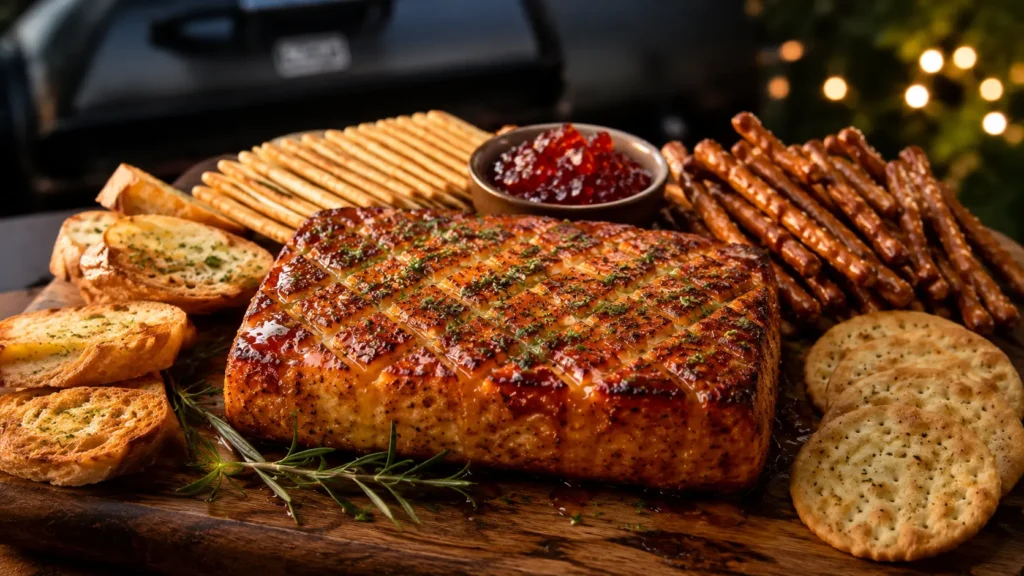
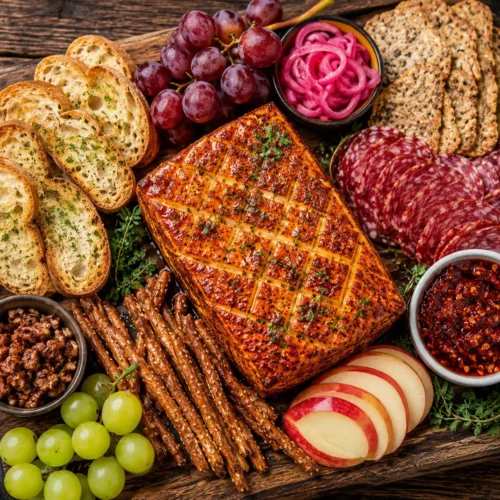
During the cook, the seasoning darkens, the crosshatch opens slightly, and the surface develops a deeper amber color.
By the end, the block should look bronzed and slightly puffed with softened but clearly defined edges.
If the cream cheese starts spreading across the pan or releasing large amounts of oil, the temperature is too high.
Do we need a thermometer for this recipe?
You can absolutely make smoked cream cheese without a thermometer. Many people do. But if you’re chasing consistency, Internal temperature gives you something to aim for. There are two targets worth knowing.
140°F gives a firmer sliceable texture, while 155°F creates a softer dip-like consistency. If you aren’t using a thermometer, remove the cream cheese once the surface is bronzed, softened, and still holding its shape without large pools of oil.
How to Tell When Smoked Cream Cheese Is Done?
Many first-time cooks expect smoked cream cheese to look melted when it’s finished. It shouldn’t. A properly smoked block softens dramatically while still holding its shape. Think softened butter, not fondue.
Look for these signs:
- Deep golden-brown or amber surface color
- Crosshatch pattern has opened slightly
- Edges are softened but still defined
- Surface yields easily when lightly pressed
- Smoke aroma is noticeable but clean
- No significant pools of separated fat
If the cream cheese begins releasing large amounts of oil, cracking, or collapsing, it’s overcooked. If it still looks pale and firm, give it more time.

Smoking Wood & Flavor Pairing:
The wood you choose influences everything that comes after it. A mild fruitwood can support sweet toppings and delicate herbs. A stronger wood can overpower the dairy before the seasoning has a chance to contribute anything meaningful.
If you’re unsure where to start, choose apple or cherry. They work with almost every topping combination in this guide.
Here’s a table for best pairing:
| Wood Type | Recommended Seasoning | Post-Smoke Topping |
|---|---|---|
|
Apple |
Classic BBQ Rub or Cinnamon-Sugar Dessert Blend |
Hot Honey or Pepper Jelly |
|
Cherry |
Sweet Heat Rub or Italian Herb Blend |
Balsamic Glaze or Sun-Dried Tomato |
|
Pecan |
Savory Garlic & Onion Rub or Elote Seasoning |
Candied Pecans or Corn Salsa |
|
Maple |
Breakfast Sausage Rub or Brown Sugar Blend |
Maple Syrup Drizzle or Bacon Bits |
|
Oak |
Coarse Black Pepper & Sea Salt or Greek Oregano Mix |
Whipped Feta or Kalamata Olive Tapenade |
When to Add Toppings and Final Finish
Finishing Toppings:
Most topping mistakes happen before the cream cheese ever leaves the smoker. People spend time building a perfect crosshatch, apply a generous layer of pepper jelly or hot honey, then wonder why half of it ends up baked onto the pan.
The problem isn’t the topping. It’s the timing. Dry seasonings belong on the cheese before smoking. Wet toppings usually don’t.
Dry rubs, everything bagel seasoning, coarse herbs, garlic blends, and similar seasonings benefit from the entire smoking process. They settle into the crosshatch, absorb smoke alongside the cream cheese, and help create the dark surface that makes smoked cream cheese so visually appealing.
Wet toppings behave differently. Honey, pepper jelly, fruit preserves, maple syrup, and balsamic glaze contain sugars that can burn long before the cream cheese is finished smoking. Even when they don’t burn, they often thin out as they warm, sliding off the block and collecting in the bottom of the pan.
When To Add Wet Toppings:
You have two reliable options.
Option 1: Add them during the final 10–15 minutes of the cook.
This works well for pepper jelly, hot honey, maple syrup, and similar glazes. The topping warms, softens, and lightly caramelizes without spending enough time in the smoker to burn.
Option 2: Add them immediately after smoking.
This is my preferred method.
Remove the cream cheese from the smoker and let it rest for 5 to 10 minutes. The structure firms slightly as it cools, making it easier for toppings to stay where you put them instead of sliding down the sides.
Once rested, add your finishing ingredients:
- Hot honey
- Pepper jelly
- Balsamic glaze
- Fruit compote
- Chopped herbs
- Toasted nuts
- Crumbled bacon
- Fresh citrus zest
The result looks cleaner, tastes fresher, and gives you far more control over presentation.
Try These Flavor Combinations:
Smoked cream cheese doesn’t have to live exclusively in BBQ territory. In fact, some of the best versions I’ve made had nothing to do with traditional barbecue flavors at all.
Because cream cheese is naturally rich but doesn’t have much flavor on its own, which makes it easy to experiment with.
Here are four combinations that always turn out great:
| Style | Seasoning Base | Finishing Toppings |
|---|---|---|
|
Elote |
Chili powder, cotija, lime zest |
Crema and cilantro |
|
Everything Bagel |
Everything Seasoning |
Capers, dill, red onion |
|
Italian |
Italian herbs and garlic |
Sun-dried tomato and balsamic glaze |
|
Greek |
Oregano, thyme, black pepper |
Hot honey and toasted walnuts |
Dessert Variation:
Cream cheese can be served as a dessert too. Just use cinnamon sugar instead of BBQ rub and finish with hot honey, berry compote, candied pecans or chocolate shavings.
Serving, Storage, and how to use Leftover:
Safe Holding And Serving:
The biggest mistake people make after smoking cream cheese is serving it immediately. Fresh off the smoker, the exterior is hot while the center is still tightening up. The texture is softer than it needs to be, and runny toppings are more likely to slide off the surface.
Let the block rest for 5 to 10 minutes after it comes off the smoker.
Once rested, add any wet toppings and transfer it to your serving board.
For the best texture, serve smoked cream cheese after it has spent about 15 to 20 minutes at room temperature. This is the sweet spot where the center becomes spreadable without turning loose or sloppy.
Pair it with sturdy dippers that can handle the weight of a generous scoop:
- Toasted baguette slices
- Thick pretzel rods
- Pita chips
- Seeded crackers
- Bagel chips
- Crostini
If you’re serving outdoors during warm weather, remember that cream cheese is still a dairy product. Following FDA food safety guidance, avoid leaving it at room temperature for longer than two hours.
Refrigeration And Reheating Without Ruining Texture:
Leftovers store surprisingly well. Wrap the cooled cream cheese tightly or transfer it to an airtight container and refrigerate for up to 5 days.
The smoke flavor actually continues to mellow and distribute throughout the cheese during storage. In many cases, the leftovers taste slightly more balanced the next day than they did immediately after smoking.
When you’re ready to use it again, skip the microwave. High microwave heat can cause the fats and moisture to separate, leaving the texture grainy instead of creamy.
Instead, let the cheese sit at room temperature for 20 to 30 minutes before serving, or warm it gently in a low oven until softened.
Ways You Can Use The Leftovers:
Smoked cream cheese works surprisingly well beyond the appetizer board.
Leftovers are excellent stirred into pasta sauces, spread on bagels, mixed into dips, folded into twice-baked potatoes, added to scrambled eggs, or used as a filling for stuffed chicken.
The smoke flavor mellows slightly overnight, making leftovers even more versatile the next day.

Why This Recipe Earns a Permanent Spot In Your Rotation:
Most smoker recipes demand an entire afternoon and leave you with leftovers that taste progressively worse. Brisket wants an entire day. Pork shoulder wants patience. Ribs want attention. Smoked cream cheese does the opposite.
It takes almost no effort to make, and the leftovers continue finding new jobs throughout the week.
That’s the reason this recipe exploded across pellet smoker groups, backyard barbecue forums, and game-day spreads. It delivers the kind of reaction people normally associate with far more complicated cooks, yet the actual process is almost effortless once you understand the basics.
That’s one of the reasons it has become a permanent part of my smoker rotation.
Tested Across Multiple Smoker Types
This method was tested on pellet smokers, charcoal kettle setups, and electric cabinet smokers using temperatures between 180°F and 200°F. The timing and texture guidelines throughout this guide were adjusted based on those tests to account for differences in airflow, heat retention, and smoke production.
For food safety, follow FDA guidance and avoid leaving smoked cream cheese at room temperature for more than two hours. The recommended 15–20 minute serving window discussed in this guide falls well within those limits.
If you try one of the flavor variations or discover a wood-and-topping combination that works especially well, share it. Some of the best smoked cream cheese combinations started as experiments that weren’t supposed to work.
Smoked Cream Cheese
Equipment
- Smoker
- Aluminum pan or small cast-iron skillet
- Parchment paper
- Instant-read thermometer (optional)
Ingredients
- 1 8-ounce block full-fat cream cheese, chilled
- 1 tablespoon BBQ rub or Everything Bagel seasoning
- 1 teaspoon olive oil optional, for seasoning adhesion
Optional Toppings
- Hot honey
- Pepper jelly
- Candied pecans
- Fresh herbs
- Balsamic glaze
- Everything Bagel seasoning
Instructions
- Preheat your smoker to 180°F–200°F using a mild smoking wood such as apple, cherry, or pecan.
- Place the chilled cream cheese block on a cutting board and score the top in a crosshatch pattern about ½ inch deep, being careful not to cut through the bottom.
- Lightly coat the surface with olive oil if desired, then apply the BBQ rub evenly across the top, working some seasoning into the scored cuts.
- Place the cream cheese in a parchment-lined aluminum pan or small cast-iron skillet.
- Transfer to the smoker and cook for 2–3 hours, or until the surface is golden brown, slightly puffed, and softened while still holding its shape.
- Remove from the smoker and let rest for 5–10 minutes.
- Add any desired toppings such as hot honey, pepper jelly, herbs, or candied pecans.
- Serve warm with crackers, crostini, pretzel rods, pita chips, or fresh vegetables.
Notes
- Always start with cold cream cheese for the best texture and shape retention.
- Full-fat brick cream cheese produces the best results.
- Apple, cherry, and pecan woods provide the most balanced smoke flavor.
- Avoid temperatures above 225°F to prevent excessive softening and fat separation.
- For a softer dip-style texture, cook until the internal temperature reaches approximately 155°F.
- Leftovers can be refrigerated in an airtight container for up to 5 days.